
Posted on April 30, 2026
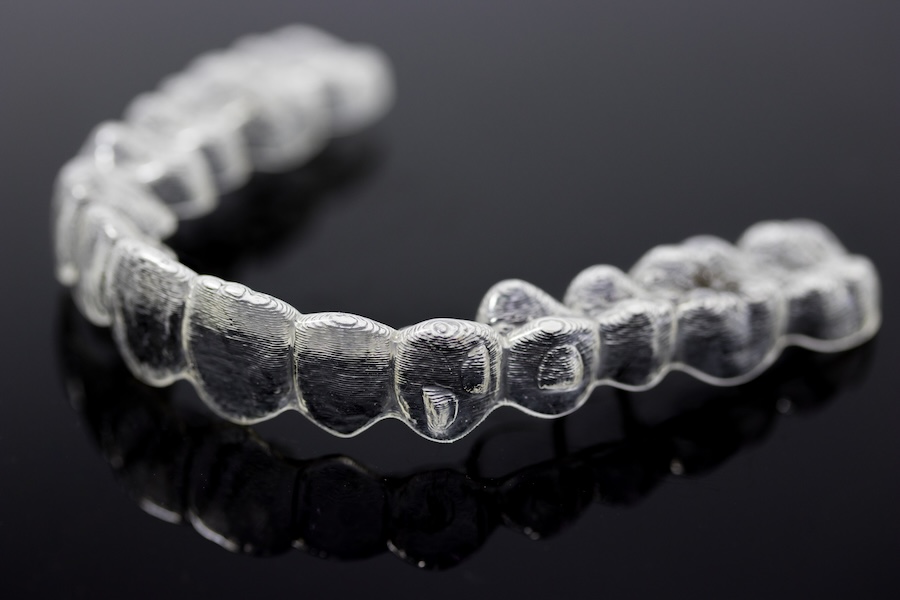
Most people don’t spend much time thinking about what Invisalign actually feels like until they’re seriously considering it.
At that point, the questions get more specific. Not just whether it works, but what it’s like to wear the trays every day, how noticeable the attachments are, and how much time you’ll actually spend coming in for appointments. Those details tend to matter more once you’re picturing yourself going through it.
At Harnick Orthodontics in Albuquerque, NM, Dr. Kari Harnick Graeber and Dr. David Harnick walk patients through that process step by step. Part of that includes using ClinCheck software, which maps out your treatment in advance so you can see how your teeth are expected to move over time. It helps take some of the guesswork out of the process and gives you a clearer sense of what’s ahead.
One of the more surprising parts of Invisalign is how small each step really is. Each aligner is designed to move your teeth a very slight amount—often just fractions of a millimeter. On its own, that shift isn’t dramatic, but over a series of trays, those small movements build on each other in a controlled way.
That’s why consistency matters so much. The system is designed so that each tray picks up where the last one left off. If the trays aren’t worn as directed, that sequence can get disrupted, which can slow progress or require adjustments along the way.
Instead of large changes all at once, the process is steady and incremental, which is what allows the movement to be both precise and predictable.
The trays themselves usually feel tight when you first switch to a new set, especially during the first day or two. That pressure is what’s guiding the movement, and while it’s not sharp pain, it can make your teeth feel tender—particularly when you’re removing the trays to eat or brush.
After those first couple of days, things tend to settle. The trays feel less noticeable, and putting them in and taking them out becomes part of your routine. Most patients also adjust to speaking with them fairly quickly, even if it feels slightly different at the beginning.
There are a few smaller changes people notice early on. Your lips may feel a little dry or chapped at first, and saliva flow can increase temporarily as your mouth adjusts to having the aligners in place. Both of those usually even out as you get used to wearing them, but they can feel more noticeable in the first week or two.
Attachments tend to stand out more than the trays at the beginning. They’re small, tooth-colored shapes bonded to certain teeth, and you’ll feel them right away when you run your tongue along your teeth or when you’re removing your aligners.
At first, they can make the trays feel a bit more snug when you’re taking them in and out, especially during those early days when your teeth are already a little tender. That combination can make removal feel more noticeable for a short period of time.
What surprises most patients is how quickly that changes. After a short adjustment period, the attachments start to feel normal, and you stop paying attention to them. Their purpose is to give the aligners something to grip so they can guide more precise movements, especially for rotations or shifts that require a little more control.
By the end of treatment, they’re removed, and your teeth feel smooth again.
Invisalign changes your routine in practical ways, mostly around meals and hygiene. Since the trays need to be removed before eating, snacking becomes more intentional. It’s less about restriction and more about the extra step of taking the trays out, eating, and cleaning your teeth before putting them back in.
That shift tends to lead to more consistent brushing, since you’re already in the habit of cleaning your teeth after meals. The trays themselves also need to be rinsed and cleaned regularly, which becomes part of the same routine.
At first, it can feel like a lot to keep track of. After a couple of weeks, it usually becomes automatic, and many patients find that their overall oral hygiene improves simply because they’re paying closer attention to it throughout the day.
Check-in appointments with Invisalign are usually more spaced out and focused than people expect. Instead of frequent adjustments, visits are scheduled every several weeks to make sure everything is moving as planned.
During these appointments, Dr. Harnick Graeber or Dr. Harnick will check how your teeth are tracking with the aligners and compare that progress to your ClinCheck plan. You’ll often receive your next sets of trays at that time, along with guidance on when to switch them.
If something needs to be adjusted, it can be addressed along the way, but most of the movement is happening between visits as you wear your aligners at home. That’s why these appointments tend to feel more like progress check-ins rather than longer, involved visits.
The biggest adjustment with Invisalign usually comes down to consistency. Wearing the trays for the recommended amount of time each day is what keeps everything moving forward.
At the same time, there’s flexibility built into the process. You can remove the trays for meals, social events, or anything else that comes up, as long as they go back in afterward. That balance is what makes Invisalign feel easier to work into daily life compared to more fixed options.
Over time, it becomes less of something you’re actively thinking about and more of a routine that fits into your day without much disruption.
At Harnick Orthodontics in Albuquerque, NM, Dr. Kari Harnick Graeber and Dr. David Harnick focus on making Invisalign treatment feel clear, steady, and easy to follow from the start.
If you’re considering Invisalign and want a better sense of what the process actually feels like—from trays and attachments to daily routines and check-ins—you can call to schedule a consultation and see what treatment would look like for you.
A Special Announcement!
Our orthodontic family is growing! Dr. Kari is excited to welcome a new baby this September and will be taking maternity leave through October.
During this time, treatment will continue as planned under the care of Dr. Harnick, who founded the practice and has helped create the exceptional patient experience you know and trust. Your orthodontic progress will remain on schedule, and our team will be here to support you every step of the way.
Dr. Kari will return in November and can't wait to catch up with everyone and see all the great progress that's been made!
Thank you for celebrating this exciting chapter with us!